


Holy Week in Palma de Mallorca is one of the most emblematic celebrations in the Balearic Islands, combining religion, history, and a deep sense of community. Every year, during the last week of Lent, the city transforms with processions, rituals, and cultural events that attract both locals and visitors.
Visiting Palma de Mallorca during Holy Week is immersing yourself in a world where tradition, history, and emotion blend in every street of the old town. It is not just a religious event; it is a cultural spectacle that leaves a lasting impression on anyone who walks its streets during these days.
Processions and Tradition
The processions are undoubtedly the heart of Holy Week in Palma. Throughout the week, various local brotherhoods, some with centuries of history, walk through the narrow streets of the old town, carefully carrying their "pasos" —imposing religious images representing scenes from the Passion, Crucifixion, and Resurrection of Christ— while the faithful accompany them with devotion.
Each "paso" is a mobile work of art, adorned with embroidery, candles, and flowers, and each member of the brotherhood follows a ritual passed down through generations. The deep sound of drums, the calls of trumpets, and sacred chants create a solemn atmosphere that envelops the city, while spectators, many dressed formally, maintain respectful silence, interrupted only by whispers of admiration.
Among all the processions, the one on Good Friday stands out, when the city seems to hold its breath: the procession moves slowly through the main streets and historic squares, illuminated by candlelight, creating an atmosphere of reflection, contemplation, and spirituality that moves both locals and tourists.
Art and Culture
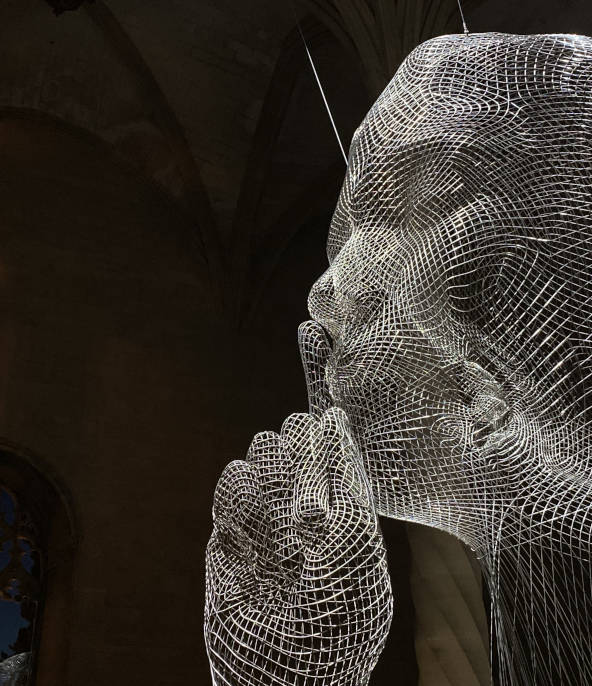
Beyond devotion, Holy Week in Palma is also a manifestation of art and culture. The images of the "pasos," many of them works by local artists from centuries past, showcase the richness of Mallorca’s religious heritage. In addition, during these days, there are sacred music concerts, exhibitions, and theatrical performances depicting episodes of the Passion of Christ.
Gastronomy and Popular Tradition
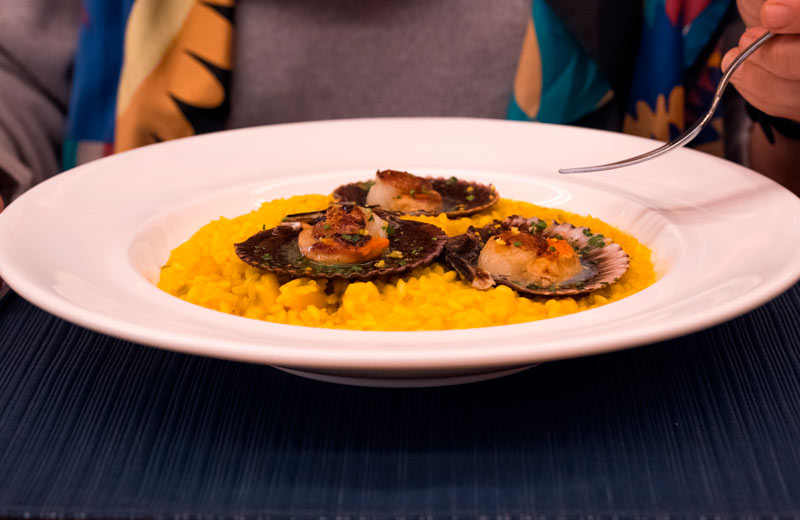
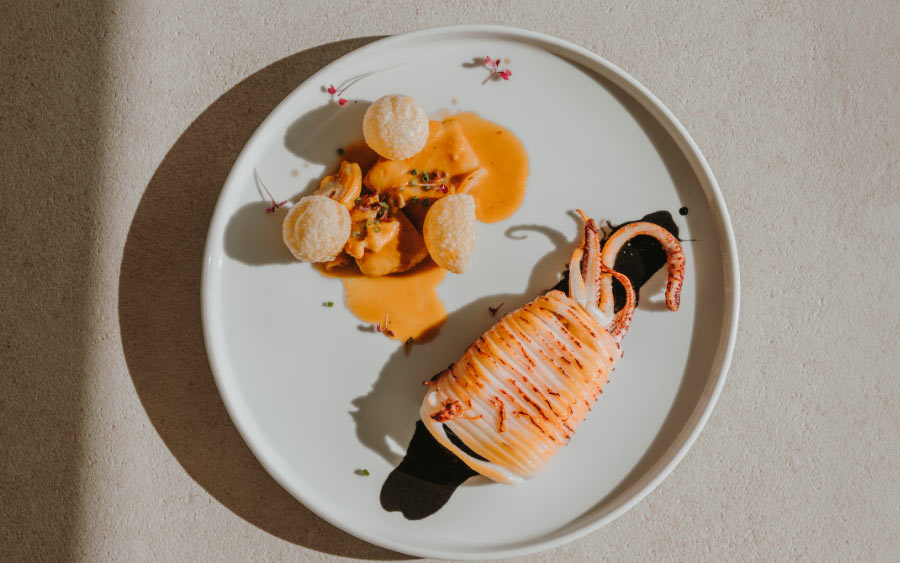
Holy Week is also reflected in gastronomy. Typical dishes such as "panades," robiols, and almond sweets become the stars of Mallorcan tables. Local markets and fairs offer artisanal products that complement the cultural experience.
Tips for Visiting
If you plan to visit Palma during Holy Week:
Arrive early to the processions to find a good spot and enjoy the atmosphere. Respect the traditions and the religious character of the events.
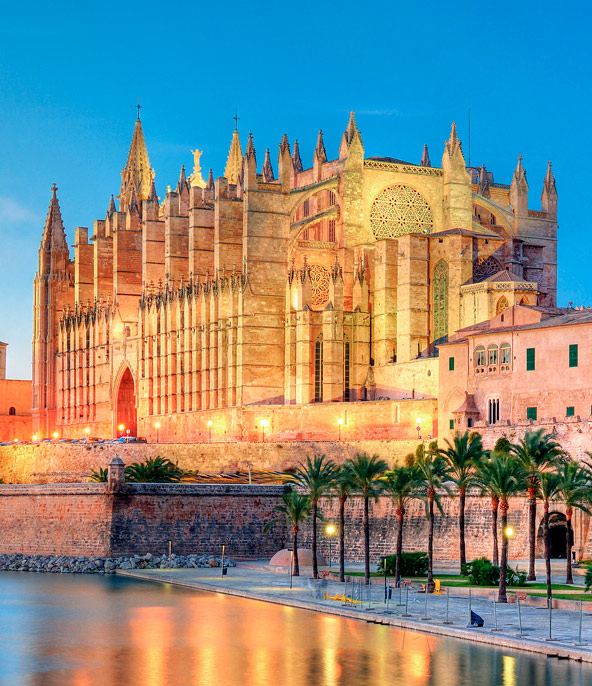
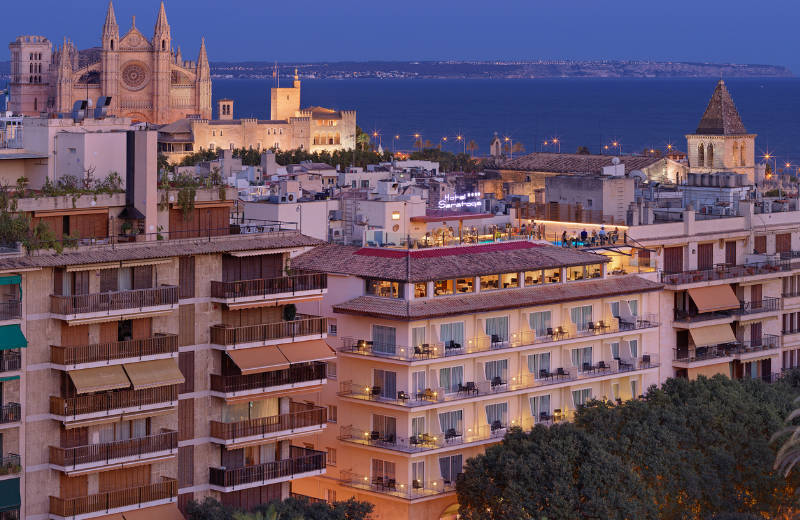
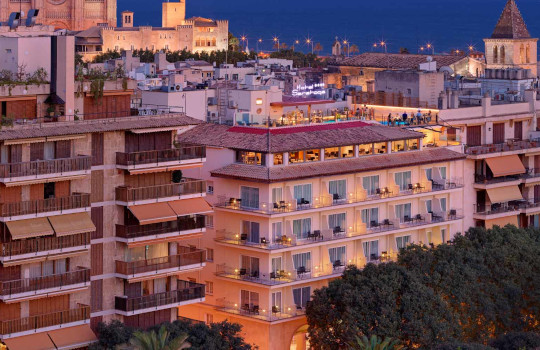
Take the opportunity to explore Palma’s old town and discover historic corners such as the Cathedral of Santa Maria and the city’s charming patios.
Holy Week in Palma is undoubtedly an event that combines emotion, history, and beauty, offering all visitors a unique experience that goes beyond the religious aspect and becomes a true cultural spectacle.